Table of Contents
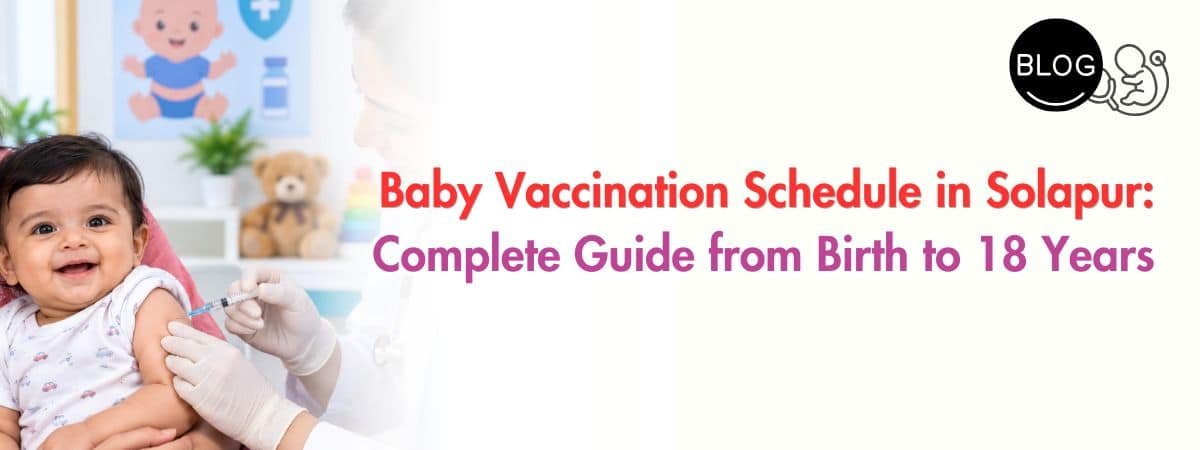
Vaccination is one of the most important steps parents can take to protect children from serious infections. From vaccines given after birth to booster doses during adolescence, immunization is an important part of preventive healthcare.
Many parents have questions about the Baby Vaccination Schedule in Solapur, including vaccines at birth, missed doses, mild illness, and booster doses.
This guide explains the Baby Vaccination Schedule India and the importance of timely Child Vaccination in Solapur. Exact timing can vary according to the child’s age, vaccination history, health condition, and recommendations being followed, so consult a qualified pediatrician for personalized advice.
Why Is Vaccination Important for Babies and Children?
Vaccines prepare the immune system to recognize and fight specific infections without the child having to experience the actual disease first. They can help protect children from infections that may cause severe illness, hospitalization, breathing problems, brain complications, long-term disability, or life-threatening disease.
Babies are particularly vulnerable because their immune systems are still developing, making timely vaccination an essential part of routine child healthcare.
Parents looking for professional guidance can learn more through Dr. Shashikant Wali’s Baby and Child Vaccination in Solapur service.
Understanding the Baby Vaccination Schedule in Solapur
Vaccination begins soon after birth and continues through infancy, childhood, and adolescence. Depending on the schedule, vaccines may provide protection against tuberculosis, hepatitis B, polio, diphtheria, tetanus, pertussis, Haemophilus influenzae type b, pneumococcal disease, rotavirus, measles, mumps, rubella, chickenpox, hepatitis A, typhoid, influenza, and HPV.
Parents may be following India’s National Immunization Schedule, Indian Academy of Pediatrics (IAP) recommendations, or a personalized pediatric vaccination plan. The child’s pediatrician can explain which schedule is appropriate.
Baby Vaccination Schedule India: Age-Wise Overview
| Child’s Age | Common Vaccination Stage |
| At Birth | Initial newborn vaccines |
| 6 Weeks | First major infant vaccination visit |
| 10 Weeks | Second infant vaccination visit |
| 14 Weeks | Third infant vaccination visit |
| 6–9 Months | Additional/important childhood vaccines may be recommended |
| 12–15 Months | Booster and additional vaccines |
| 16–18 Months | Booster vaccinations |
| 4–6 Years | Childhood booster vaccines |
| 10–12 Years | Adolescent vaccines may be recommended |
| 15–18 Years | Additional adolescent protection and boosters |
Important: Exact vaccines and timing may vary. Parents should follow the schedule recommended by their pediatrician.
Vaccines Given at Birth
The first stage of the Baby Vaccination Schedule in Solapur begins shortly after birth. Vaccines commonly considered at birth may include:
BCG Vaccine
BCG vaccination provides protection against severe forms of tuberculosis, which remains an important health concern in India.
Hepatitis B Vaccine
The birth dose helps protect babies against hepatitis B infection, which can affect the liver and cause long-term complications.
Polio Vaccine
Polio vaccination protects children against poliovirus infection. Following the recommended schedule is important because polio can cause serious complications.
Maintain the child’s vaccination record from birth.
Why Are Vaccines Given So Early?
Babies can be vulnerable to serious infections while their immune systems are developing, so early vaccination provides important protection. Parents of babies admitted to the NICU can learn more about NICU care in Solapur.
Vaccination at 6, 10 and 14 Weeks
The 6-week visit is a major milestone in the Baby Vaccination Schedule India. Depending on the schedule, babies may receive protection against diphtheria, tetanus, pertussis, polio, Haemophilus influenzae type b, hepatitis B, rotavirus, and pneumococcal infections.
Around 10 and 14 weeks, further doses may be recommended to continue and strengthen protection. Parents should carry the vaccination card, inform the doctor about previous reactions or current illness, and ask when the next dose is due.
Some babies may experience temporary symptoms after vaccination, such as low-grade fever, irritability, sleepiness, reduced appetite, or mild pain and swelling at the injection site. Parents should contact their pediatrician if they are concerned.
For fever-related concerns, read Fever in Children in Solapur: Warning Signs Every Parent Should Know.
If a scheduled vaccine is missed, the child may still be able to receive a catch-up dose. A pediatrician should review the vaccination history rather than parents delaying or restarting the schedule themselves.
Vaccination at 6 and 9 Months
At around six months, additional vaccines may be recommended. Parents may also discuss feeding, nutrition, weight gain, and growth. See nutritional and feeding guidance for children in Solapur and lactation counseling and breastfeeding support in Solapur.
At nine months, vaccination remains important, including recommended protection against measles and other childhood infections.
Vaccination Between 12 and 18 Months
Between 12 and 15 months, additional vaccines and booster doses may be recommended. Parents should review the vaccination card, attend pediatric appointments, discuss missed vaccines, and ask about upcoming boosters.
This period is also important for growth and development monitoring. Parents can learn more about growth and development monitoring in Solapur.
At 16 to 18 months, children may receive booster doses. Boosters help strengthen or maintain protection provided by earlier vaccinations.
Vaccination Between 4 and 6 Years
Preschool years are another important stage in the Baby Vaccination Schedule India, with booster doses often recommended.
Vaccination for Older Children and Teenagers
Vaccination continues beyond early childhood. Depending on age, health status, vaccination history, and current recommendations, adolescents may need additional vaccines or boosters. Regular pediatric consultation for children from 0 to 18 years in Solapur supports continuity of care.
Government Vaccination Schedule vs IAP Vaccination Schedule
The Government or National Immunization Schedule focuses on vaccines provided through India’s public immunization programme. The Indian Academy of Pediatrics (IAP) schedule may include additional recommended vaccines. A pediatrician can explain essential vaccines, additional options, timing, and catch-up doses.
Can Premature or Low Birth Weight Babies Follow the Normal Schedule?
Premature babies may require specialized medical care, particularly during the first months. In many situations, vaccination decisions are based on chronological age and medical condition, but individual circumstances vary.
Parents of premature babies with complications or prolonged hospitalization should have the plan reviewed by their pediatrician or neonatologist. Learn more about premature baby care in Solapur and Premature Baby Follow-Up Care After NICU Discharge.
Low birth weight babies may need closer monitoring of growth, feeding, weight gain, development, and medical complications. Vaccination planning should be discussed with the treating pediatrician. See Low Birth Weight Baby Care in Solapur.
What If My Child Misses a Vaccine?
Missing an appointment can happen because of travel, illness, family emergencies, lack of awareness, or schedule changes. In many cases, the entire schedule does not need to be restarted.
A pediatrician can review the vaccination card and recommend an appropriate catch-up schedule. Parents should avoid delaying further doses without medical advice.
Can My Child Receive Vaccination During a Cold or Mild Illness?
A mild cold, runny nose, or mild cough does not always mean vaccination must be postponed. However, parents should inform the pediatrician about fever, breathing difficulty, severe illness, current medications, or previous vaccine reactions.
The doctor can decide whether vaccination should proceed or be temporarily postponed. For persistent or severe respiratory symptoms, medical evaluation may be needed. Read fever, cold and cough treatment in children in Solapur.
Common Side Effects After Vaccination
Most children tolerate vaccines well. Temporary reactions can include low-grade fever, mild injection-site pain or swelling, irritability, tiredness, or reduced appetite. Follow the pediatrician’s advice about comfort measures and medicines.
When Should Parents Contact a Doctor After Vaccination?
Parents should seek medical advice for concerning symptoms such as difficulty breathing, severe weakness or unusual unresponsiveness, persistent vomiting, seizures, severe allergic symptoms, or very unusual behavior. For urgent concerns, pediatric emergency care in Solapur may be important.
Why Keeping a Vaccination Record Is Important
A vaccination card helps track vaccines received, dates, upcoming doses, boosters, and missed vaccines. Keep it safely, bring it to appointments, and consider keeping a digital backup.
Why Timely Child Vaccination in Solapur Matters
Timely Child Vaccination in Solapur is an important part of preventive healthcare. Vaccination protects the individual child and can also help reduce the spread of certain infectious diseases when community coverage is high.
Vaccination visits are also opportunities to discuss growth, nutrition, development, and other pediatric concerns. Parents concerned about inadequate growth can read Baby Not Gaining Weight in Solapur: Causes, Warning Signs and When Parents Should Worry.
When Should You Consult Dr. Shashikant Wali for Child Vaccination?
Parents should consider consulting a pediatrician if their baby has missed vaccines, they are unsure about the next dose, the vaccination card is incomplete or lost, the child had a previous vaccine reaction, they have questions about additional vaccines, the baby was born prematurely, or they need an age-appropriate vaccination plan.
For personalized guidance regarding the Baby Vaccination Schedule in Solapur, parents can Book an appointment with Dr. Shashikant Wali for professional guidance regarding newborn, infant, and child healthcare.
Final Thoughts
Following the recommended Baby Vaccination Schedule in Solapur helps protect children against serious infections during vulnerable stages of life.
Parents should maintain an accurate vaccination record, attend appointments, and consult a pediatrician if a vaccine is missed or they have concerns about reactions. The Baby Vaccination Schedule India can vary according to recommendations and individual needs, so personalized guidance is valuable.
Regular Child Vaccination in Solapur also provides an opportunity to discuss growth, feeding, and development. Dr. Shashikant Wali, Consultant Neonatologist and Pediatric Intensivist with over 15 years of experience, provides newborn, infant, and child healthcare guidance for families in Solapur.
FAQs
1. What is the recommended Baby Vaccination Schedule in Solapur?
The schedule depends on the child’s age, health condition, vaccination history, and recommendations being followed. Vaccination generally begins at birth and continues through childhood and adolescence.
2. Which vaccines are given to babies at birth?
Newborn babies may receive BCG, hepatitis B, and polio vaccination according to the recommended immunization schedule.
3. What happens if my child misses a vaccine?
In many cases, the schedule does not need to be restarted. A pediatrician can review the vaccination history and recommend a catch-up schedule.
4. Can my child receive vaccines if they have a cold?
A mild illness may not always require postponing vaccination, but parents should inform the pediatrician about the child’s symptoms.
5. Can premature babies receive vaccines?
Premature babies may need individualized vaccination guidance based on their medical condition. Consult the pediatrician or neonatologist.
6. Are booster vaccines necessary?
Booster doses help maintain or strengthen protection against certain diseases after the initial series.
7. Are vaccine side effects normal?
Mild temporary symptoms such as low-grade fever, irritability, or injection-site pain may occur. Contact a doctor if symptoms are severe or unusual.
8. Should I keep my child’s vaccination card?
Yes. It helps track vaccines already received and identify upcoming or missed doses.
9. What is the difference between government and IAP vaccination schedules?
The National Immunization Programme provides a government-recommended schedule, while the IAP may recommend additional vaccines. A pediatrician can explain the appropriate options.
10. Until what age does my child need vaccination?
Vaccination continues beyond infancy and childhood. Certain booster and adolescent vaccines may be recommended up to 18 years of age.
