Table of Contents
Fever is one of the most common reasons parents seek medical care for their children. A rise in body temperature can be frightening, especially when it affects infants and young children.
Many parents immediately become anxious and start asking questions such as:
- Why does my child have a fever?
- Is a high fever dangerous?
- When should I take my child to a doctor?
- Can I manage the fever at home?
- What warning signs should I watch for?
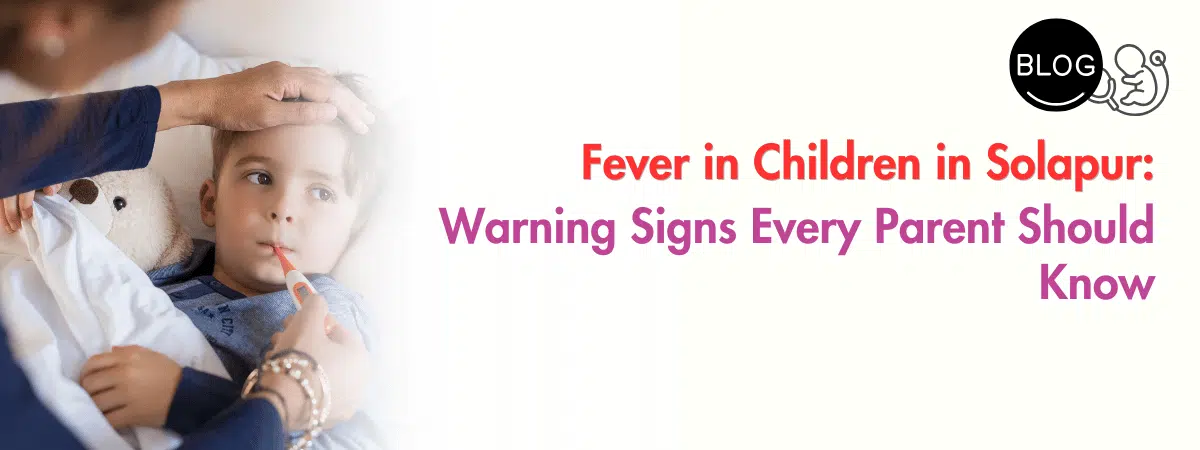
If you are searching for information about Fever in Children in Solapur, you are not alone.
The good news is that fever itself is not always dangerous. In fact, fever is often the body’s natural response to infections. However, some situations require prompt medical attention.
Understanding the causes of fever, recognizing warning signs, and knowing when to consult a specialist can help parents make informed decisions.
Dr. Shashikant Wali, Consultant Neonatologist and Pediatric Intensivist in Solapur, provides comprehensive care for newborns, infants, and children with fever, respiratory infections, allergies, pneumonia, and other childhood illnesses.
What Is a Fever?
A fever is a temporary increase in body temperature that usually occurs when the body’s immune system responds to an infection or inflammation.
Although the exact temperature may vary depending on the method used to measure it, fever generally indicates that the body is actively fighting an illness.
A child with fever may experience:
- Warm skin
- Chills
- Sweating
- Fatigue
- Irritability
- Reduced appetite
- Sleepiness
Parents should remember that fever itself is not a disease. Instead, it is a sign that something is happening within the body.
Why Does Fever Occur in Children?
Children’s immune systems are still developing, which means they may be exposed to a variety of infections during childhood.
Fever can develop for several reasons.
Viral Infections
Viruses are among the most common causes of fever.
Examples include:
- Common cold
- Influenza
- Viral throat infections
- Viral gastroenteritis
Bacterial Infections
Certain bacterial infections can also lead to fever.
Examples include:
- Ear infections
- Pneumonia
- Urinary tract infections
- Skin infections
Vaccinations
Some children may develop a mild fever after receiving vaccinations. This usually resolves on its own within a short period.
Parents who have questions regarding immunization schedules can learn more about baby and child vaccination services in Solapur.
Teething
Many parents believe teething causes fever.
However, teething usually causes only mild discomfort and may not be responsible for a significant increase in body temperature.
Allergic Conditions
Certain allergies and inflammatory conditions can occasionally contribute to fever-like symptoms.
Parents concerned about breathing difficulties or allergies may benefit from specialized asthma and allergy management services in Solapur.
Common Causes of Fever According to Age
The cause of fever often varies depending on the child’s age.
| Age Group | Possible Causes |
| Newborns | Infections, jaundice, neonatal sepsis |
| Infants | Viral infections, ear infections, digestive infections |
| Toddlers | Viral illnesses, throat infections, allergies |
| School-aged children | Influenza, pneumonia, bacterial infections |
What Are the Symptoms Associated With Fever?
Apart from an elevated body temperature, children may experience various symptoms.
These symptoms may include:
- Cough
- Cold
- Sneezing
- Vomiting
- Diarrhea
- Weakness
- Body pain
- Loss of appetite
- Headache
- Irritability
Every child responds differently, and some children may remain active despite having a fever.
What Causes High Fever in Children?
High Fever in Children can develop because of various underlying conditions.
These include:
Respiratory infections
Respiratory infections remain one of the most common causes of fever among children.
Symptoms may include:
- Cough
- Nasal congestion
- Wheezing
- Shortness of breath
Children experiencing these symptoms should undergo timely evaluation.
Pneumonia
Pneumonia is an infection affecting the lungs.
Common symptoms include:
- Fever
- Persistent cough
- Fast breathing
- Fatigue
- Difficulty breathing
Parents can learn more about pneumonia treatment in children in Solapur if respiratory symptoms are present.
Neonatal Infections
Newborn babies require special attention because infections may progress rapidly.
Parents of newborn babies should watch for:
- Poor feeding
- Yellow discoloration of the skin
- Excessive sleepiness
- Breathing difficulties
- Irritability
You can learn more about newborn jaundice in Solapur and neonatal sepsis treatment in Solapur if these symptoms are present.
Warning Signs Parents Should Never Ignore
Although most cases of fever improve with appropriate treatment, certain symptoms should never be ignored.
Seek immediate medical attention if your child experiences:
- Persistent high fever
- Difficulty breathing
- Bluish lips
- Seizures
- Severe vomiting
- Refusal to drink fluids
- Extreme sleepiness
- Continuous crying
- Confusion
- Severe dehydration
Parents should trust their instincts. If something does not feel right, it is always better to seek medical advice promptly.
Fever in Newborn Babies
Fever in newborn babies requires immediate medical evaluation because their immune systems are not fully developed.
Even mild symptoms should never be ignored.
Parents should seek medical attention if they notice:
- Poor feeding
- Difficulty waking the baby
- Reduced activity
- Abnormal crying
- Breathing problems
Families searching for specialized newborn and infant care in Solapur should arrange an evaluation as soon as possible.
Can Fever Cause Dehydration?
Yes.
A child with fever may lose more fluids than usual because of increased sweating and reduced fluid intake.
Common symptoms of dehydration include:
- Dry lips
- Dry mouth
- Reduced urination
- Sunken eyes
- Dizziness
- Fatigue
Encouraging children to drink adequate fluids is extremely important during periods of illness.
Is Fever Always Dangerous?
No.
Many fevers are caused by common viral infections and resolve with appropriate care.
However, parents should focus not only on the temperature but also on the child’s overall condition.
Doctors often assess:
- Activity level
- Appetite
- Breathing pattern
- Sleep pattern
- Fluid intake
- Medical history
This approach helps doctors identify children who need urgent medical attention.
How Is Fever Diagnosed?
A doctor will usually perform a detailed assessment.
This may include:
- Medical history
- Physical examination
- Temperature measurement
- Breathing assessment
- Hydration evaluation
- Laboratory investigations when necessary
Early diagnosis helps doctors provide appropriate treatment while preventing complications.
How Can Parents Check Their Child’s Temperature?
Accurate temperature measurement is extremely important because it helps parents understand the severity of the illness and determine whether medical attention is necessary.
Parents can measure body temperature using:
- A digital thermometer
- An ear thermometer
- A forehead thermometer
- An underarm thermometer
Avoid relying solely on touching the child’s forehead because this method is not always accurate.
Parents should also record:
- The time the fever started
- The highest recorded temperature
- Associated symptoms
- Medicines already given
Keeping this information readily available can help the doctor make an accurate diagnosis.
How Can Parents Care for a Child With Fever at Home?
Home care can help children feel more comfortable while they recover.
However, parents should remember that home treatment does not replace professional medical advice.
Encourage Adequate Fluid Intake
Fever increases the risk of dehydration.
Children may benefit from:
- Breast milk
- Formula milk
- Water (for older children)
- Oral rehydration solutions when advised by a doctor
Allow Your Child to Rest
Sleep helps the body recover more effectively.
Parents should provide:
- A calm environment
- Comfortable clothing
- Adequate ventilation
- Proper hydration
Monitor Symptoms Closely
Observe the child carefully for:
- Persistent cough
- Breathing difficulty
- Reduced urine output
- Vomiting
- Seizures
- Excessive sleepiness
Any worsening symptoms should be evaluated immediately.
Avoid Unnecessary Medication
Parents should never give medicines without medical guidance.
Self-medication can:
- Delay diagnosis
- Cause unwanted side effects
- Lead to incorrect dosing
- Worsen the underlying condition
What Not to Do When Your Child Has a Fever
Parents often receive advice from relatives, friends, or social media sources. Unfortunately, not all of this information is correct.
Do not ignore persistent fever.
If the fever continues or worsens, consult a doctor.
Do not overdress the child.
Heavy clothing may trap body heat and increase discomfort.
Do not give medicines without professional advice.
Incorrect doses may be harmful.
Do not rely exclusively on home remedies.
Although some measures may improve comfort, they should not replace medical treatment.
Do not delay medical attention.
Prompt evaluation can prevent complications.
Fever and Childhood Infections
Children are frequently exposed to viruses and bacteria because their immune systems are still developing.
Common infections include:
- Influenza
- Ear infections
- Throat infections
- Bronchitis
- Gastrointestinal infections
- Pneumonia
In some cases, specialized treatment may be required.
Can Asthma and Allergies Cause Fever?
Asthma itself does not usually cause fever. However, infections affecting the respiratory tract may trigger both fever and asthma symptoms.
Parents should watch for symptoms such as:
- Wheezing
- Shortness of breath
- Persistent coughing
- Chest tightness
Parents looking for specialized care can explore asthma and allergy management services in Solapur.
Can Pneumonia Cause High Fever in Children?
Yes.
Pneumonia is one of the most important causes of High Fever in Children.
Warning signs may include:
- Persistent fever
- Rapid breathing
- Chest discomfort
- Persistent cough
- Loss of appetite
- Extreme tiredness
Immediate medical attention is essential because untreated pneumonia can become serious.
Parents may also read more about pneumonia treatment in children in Solapur.
Fever and Neonatal Sepsis
Fever in newborn babies should always be taken seriously.
Neonatal sepsis is a serious infection that requires immediate medical care.
Possible symptoms include:
- Fever
- Poor feeding
- Irritability
- Reduced movement
- Breathing difficulty
- Excessive sleepiness
Parents should never delay treatment if these symptoms occur.
How Does a Doctor Diagnose the Cause of Fever?
The doctor will evaluate several factors, including:
- The child’s age
- Duration of fever
- Associated symptoms
- Vaccination history
- Previous illnesses
- Exposure to infections
The examination may include:
- Temperature measurement
- Heart rate assessment
- Oxygen level measurement
- Chest examination
- Ear examination
- Throat examination
Additional investigations may occasionally be necessary.
Why Are Follow-Up Visits Important?
Many parents stop treatment as soon as the fever improves.
However, follow-up visits can be extremely valuable because they allow doctors to:
- Monitor recovery
- Adjust treatment plans
- Identify complications
- Assess growth and development
- Evaluate nutritional status
This is particularly important in younger children.
Fever in Premature Babies
Premature babies require special attention because their immune systems are more vulnerable to infections.
Parents should be alert for:
- Poor feeding
- Difficulty breathing
- Changes in skin color
- Reduced activity
- Sleepiness
Parents of premature babies may benefit from specialized premature baby care in Solapur and high-risk newborn care in Solapur.
When Should Parents Seek Emergency Medical Care?
Although many fevers can be managed successfully, some situations require immediate medical attention.
Contact a doctor or visit the hospital immediately if your child has:
- Difficulty breathing
- Bluish lips or fingernails
- Persistent vomiting
- Severe dehydration
- Convulsions or seizures
- Loss of consciousness
- Extreme irritability
- Severe drowsiness
- Continuous crying
- A very high fever that does not improve
Infants and newborn babies require even closer observation because their condition can worsen quickly.
Fever and Vaccination
Vaccination plays an essential role in protecting children from several serious diseases.
Occasionally, children may develop a mild fever after receiving a vaccine. This reaction is usually temporary and often resolves on its own.
Parents should watch for symptoms such as:
- Mild irritability
- Reduced appetite
- Sleepiness
- Local swelling around the injection site
However, persistent symptoms should always be evaluated by a doctor.
Families interested in preventive care can learn more about baby and child vaccination in Solapur through Dr. Shashikant Wali’s practice.
The Importance of Nutrition During Fever
Illness can affect a child’s appetite. Even so, maintaining proper nutrition is extremely important because the body requires additional energy to recover.
Parents should focus on:
- Frequent feeding
- Adequate fluid intake
- Easily digestible foods
- Nutritious meals
- Sufficient rest
Children who experience prolonged fever may require additional nutritional support.
Parents may also benefit from specialized nutritional and feeding guidance for children in Solapur.
Does Fever Affect Growth and Development?
Repeated infections can sometimes influence a child’s growth, nutritional status, sleep quality, and overall development.
Doctors may evaluate:
- Height
- Weight
- Head circumference
- Feeding patterns
- Developmental milestones
- Activity levels
Regular follow-up helps ensure that children continue to grow appropriately.
Parents who have concerns can consult Dr. Shashikant Wali for growth and development monitoring in Solapur.
Can Fever Cause Febrile Seizures?
Some children may experience febrile seizures when body temperature rises rapidly.
Although this situation can be frightening, parents should remain calm and seek immediate medical attention.
Possible symptoms include:
- Body stiffness
- Jerking movements
- Loss of consciousness
- Eye rolling
- Temporary confusion
Emergency care should always be sought after a seizure.
Common Myths About Fever in Children
Many misconceptions about fever continue to circulate among parents.
Let’s look at some of the most common myths.
Myth 1: Every fever is dangerous.
Fact: Fever is often a natural response to infection.
Myth 2: A higher fever always means a more serious illness.
Fact: Doctors evaluate the child’s overall condition rather than focusing only on body temperature.
Myth 3: Children should not eat during a fever.
Fact: Proper nutrition supports recovery and helps maintain energy levels.
Myth 4: Antibiotics should be used immediately.
Fact: Not every fever is caused by bacteria. Many infections are viral and do not require antibiotics.
Myth 5: Fever always causes brain damage.
Fact: Most fevers resolve without causing long-term problems.
How Can Parents Help Prevent Fever?
Although fever cannot always be prevented, parents can reduce the risk of infections by following certain measures.
Encourage regular handwashing.
Good hygiene helps reduce the spread of infections.
Ensure proper vaccination.
Vaccines provide protection against several serious diseases.
Promote a nutritious diet.
A healthy diet supports the immune system.
Maintain a clean environment.
Regular cleaning can help reduce exposure to harmful germs.
Avoid close contact with sick individuals.
This can lower the risk of infection.
Ensure adequate sleep.
Rest is essential for healthy immune function.
Why Early Medical Evaluation Is Important
Parents sometimes wait for symptoms to worsen before seeking medical attention.
Unfortunately, this delay can occasionally result in complications.
Early medical evaluation helps doctors:
- Identify the cause of fever.
- Start treatment promptly.
- Prevent complications.
- Monitor recovery.
- Reassure parents.
This is especially important in newborn babies, premature infants, and children with existing medical conditions.
Comprehensive Pediatric Care in Solapur
Children with fever may require individualized evaluation depending on their age, symptoms, and medical history.
Dr. Shashikant Wali provides comprehensive care in the following areas:
- Newborn care
- Childhood infections
- Growth and developmental assessment
- Vaccination
- Respiratory diseases
- Allergy management
- Nutritional counseling
- Pediatric intensive care
- Emergency care
Families searching for a Pediatrician for Fever in Solapur, a Child Specialist in Solapur, or a Neonatologist in Solapur can benefit from timely evaluation and expert guidance.
Book an Appointment
Parents should seek medical attention if they notice:
- Persistent fever
- Breathing difficulty
- Poor feeding
- Unusual sleepiness
- Seizures
- Severe coughing
- Repeated vomiting
- Signs of dehydration
You can schedule an appointment here
Final Thoughts
Fever is one of the most common health concerns affecting children, but it does not always indicate a serious illness.
Understanding the symptoms, recognizing warning signs, maintaining proper hydration, and seeking timely medical advice can make a significant difference in your child’s recovery.
Parents should pay close attention to changes in behavior, appetite, breathing patterns, and activity levels rather than focusing solely on the temperature reading.
For families looking for expert care for Fever in Children in Solapur, Dr. Shashikant Wali offers evidence-based, compassionate, and personalized care for newborns, infants, and children.
Early diagnosis, proper treatment, and continuous follow-up can help children recover safely while giving parents peace of mind.
FAQs
1. What temperature is considered a fever in children?
Ans: A fever occurs when the body’s temperature rises above the normal range. Parents should consult a doctor if they are concerned about the child’s condition.
2. Can teething cause fever?
Ans: Teething may cause mild discomfort, but a high fever usually requires medical evaluation.
3. How long does fever last?
Ans: The duration depends on the underlying cause.
4. When should I take my child to the hospital?
Ans: Immediate medical attention is necessary if breathing difficulties, seizures, severe weakness, dehydration, or persistent high fever develop.
5. Can dehydration occur because of fever?
Ans: Yes. Fever can increase fluid loss and reduce appetite, increasing the risk of dehydration.

Pingback: Baby Vaccination Schedule in Solapur | Birth to 18 Years